Why a separate workspace matters when you work from home
Working from home can be brilliant. No commute, more flexibility, and a little more control over how your day feels.
But there is a catch.
When your kitchen table becomes your desk, your sofa becomes your meeting room, and your laptop follows you from room to room, the lines between work and home can quickly disappear. That might be fine for the odd day here and there. But if home working is part of your long-term routine, it is worth creating a space that is properly designed for it.
A dedicated workspace helps you work better, feel better, and switch off more easily when the day is done.
Why A Dedicated Workspace Makes Such A Difference
It Helps You Feel More Professional
Video calls are now part of everyday working life. And while nobody expects every home to look like a boardroom, your surroundings do affect how you feel and how you come across.
Dialling into an important meeting from a bedroom or busy kitchen can feel distracting, even when it is unavoidable. A dedicated workspace gives you a calm, considered backdrop and a place where you can focus properly.
It is not about creating a show home. It is about giving yourself a space that feels ready for work.
It Makes You More Productive
Your home is designed for living, not necessarily for working.
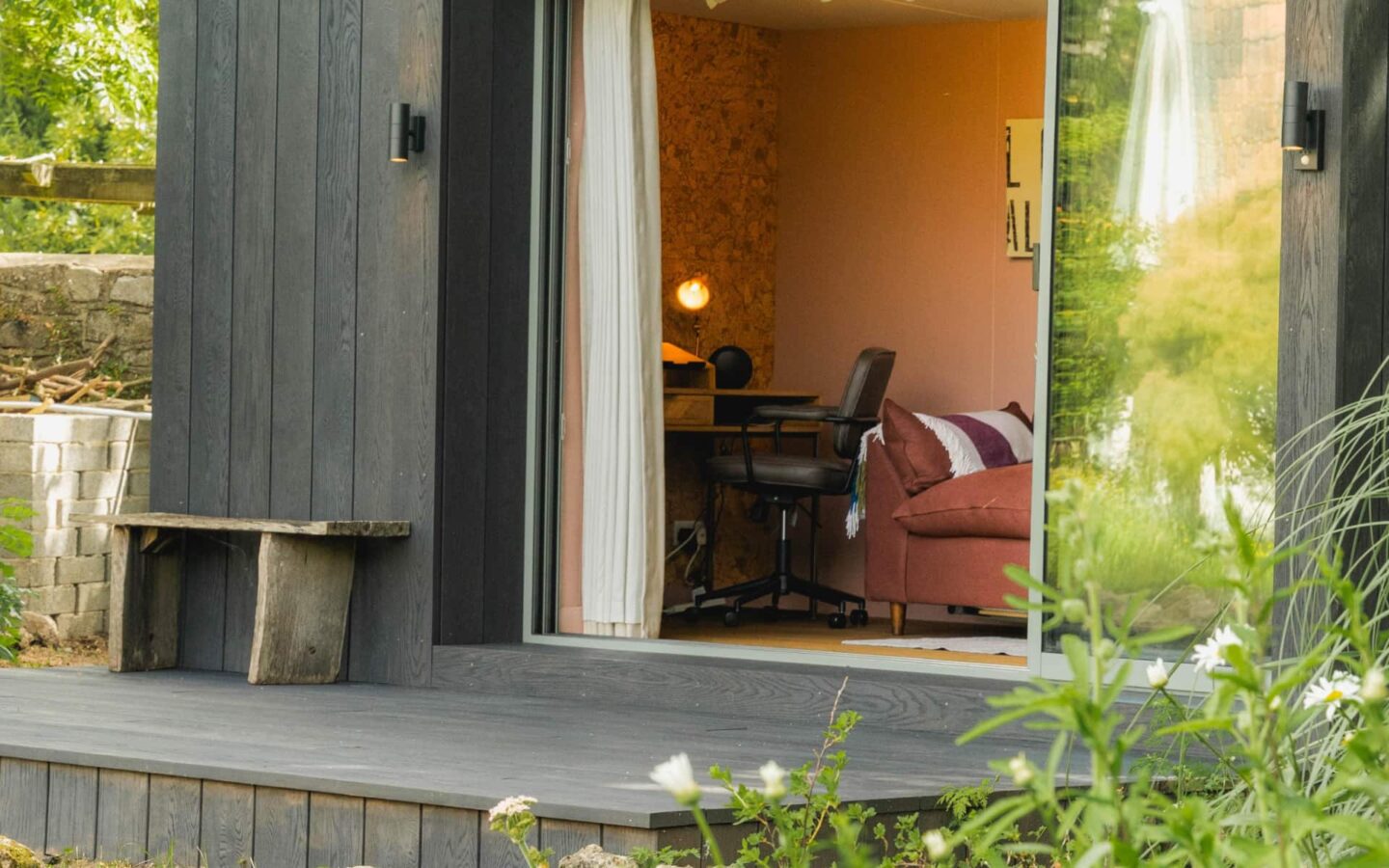
A proper workspace can be set up around how you actually work. That might mean a comfortable desk, a supportive chair, a large monitor, good lighting, storage, or simply enough quiet to concentrate.
When everything you need is in one place, you spend less time setting up, packing away, or trying to focus through household distractions. A good workspace removes friction from the day.
And that makes it easier to get things done.
It Helps Separate Work From Home Life
One of the hardest parts of working from home is knowing when to stop.
When your work is always visible, it can be difficult to fully switch off. A separate workspace helps create a clear boundary. You can step into work mode at the start of the day, then leave it behind when you finish.
That separation matters. Your home should still feel like home. A garden room, home office, or dedicated workroom gives your working day a place to live, without letting it take over the rest of the house.
It Is Better For Your Body And Mind
Working from a dining chair, sofa, or bed might seem harmless at first, but over time it can take a toll. Poor posture, bad lighting, and an uncomfortable setup can all affect your physical wellbeing.
A proper desk and chair make a big difference. So does having a space where you can sit comfortably, move easily, and keep what you need within reach.
There is a mental benefit too. A calm, organised workspace can reduce stress and make the working day feel more manageable. At the end of the day, being able to close the door is a small thing that can make a very big difference.
5 Tips For Creating A Better Home Office
1. Choose A Space With Fewer Distractions
The best workspace is one that gives you a little distance from the noise and movement of home life.
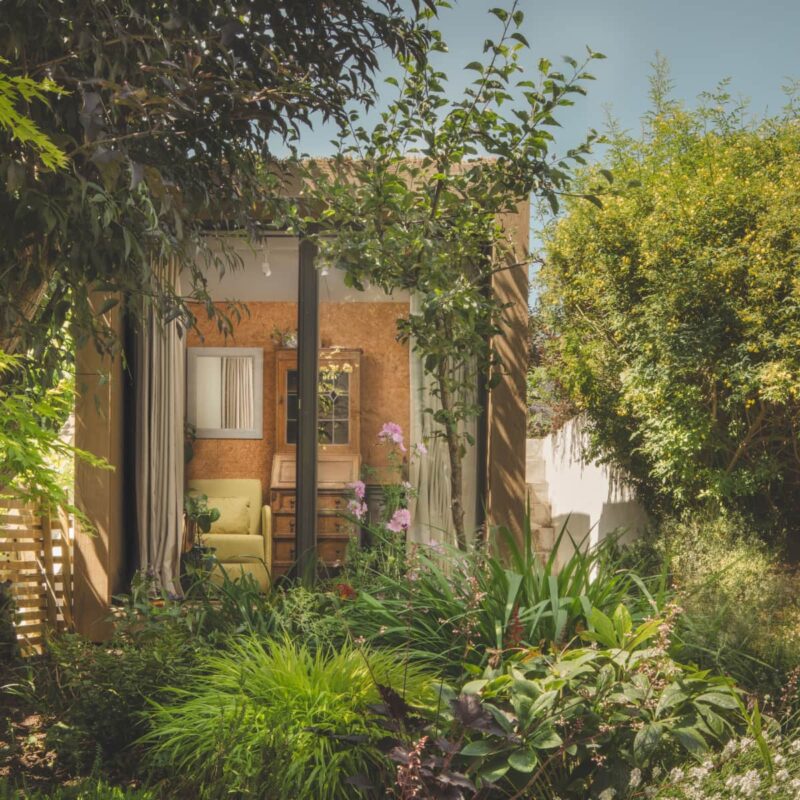
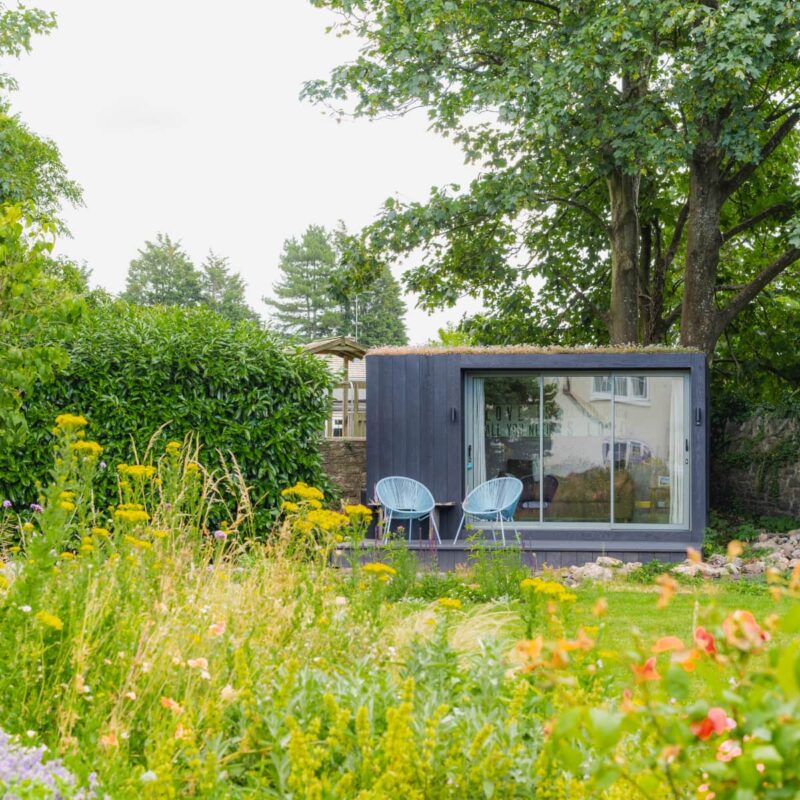
If you have a spare room, that can work well. If you need more separation, a garden room can be ideal because it creates a proper place to work away from the main house.
You do not need complete silence. But you do need a space where you can concentrate, take calls, and settle into the day without constantly being interrupted.
2. Make The Most Of Natural Light
Natural light can completely change how a workspace feels.
If possible, place your desk near a window so you can benefit from daylight and a view. A bright, pleasant room is easier to spend time in and can help lift your mood during the working day.
For darker corners or winter afternoons, add good task lighting so the space still feels comfortable and practical.
3. Plan The Space Around How You Work
Before buying furniture or moving things around, think about what you actually need day to day.
Do you use a laptop and monitor? Do you need storage for paperwork? Do you take lots of video calls? Do you need a printer, samples, tools, or space to spread things out?
A good home office should support your routine. The aim is to make work feel easier, not squeeze your job into whatever corner happens to be free.
4. Prioritise Comfort
A workspace should look good, but it also needs to work hard.
Choose a supportive chair, set your screen at a comfortable height, and make sure your desk gives you enough room to sit properly. Keep the things you use most often close by, so you are not twisting, stretching, or working awkwardly for hours at a time.
Comfort is not a luxury. It is part of creating a workspace you can use every day.
5. Invest In A Space That Lasts
If you regularly work from home, a dedicated workroom or garden office can be a smart investment.
It gives you a space designed around your needs, creates a clear boundary between work and home, and can make day-to-day life feel calmer and more organised.
It can also add value and appeal to your property. A well-designed garden room is useful now, and attractive to future buyers too.
A Better Way To Work From Home
Working from home should not mean working from anywhere.
With the right space, you can create a routine that feels more focused, more comfortable, and easier to switch off from at the end of the day.
A separate workspace gives your work a proper home, so the rest of your home can stay exactly that.