How Remote Work Can Help You Live More Sustainably
Working from home can make life feel a little calmer. Less commuting, fewer rushed mornings, more flexibility in the day.
It can also be better for the planet.
When you remove the daily journey to and from work, you cut down on emissions, fuel use and everyday consumption. And when your workspace is set up properly, especially in an efficient, well-insulated garden room, those benefits can go even further.
Here are some of the ways remote work can help you live more sustainably.
1. You Reduce Your Carbon Emissions
One of the biggest environmental benefits of working from home is also the most obvious: no commute.
Every car journey, train ride or bus trip uses energy and creates emissions. For many people, the daily commute is one of the most carbon-heavy parts of the working week.
By working from home, even part of the time, you can reduce the number of miles you travel and lower your carbon footprint. Fewer vehicles on the road also means cleaner air, less congestion and a quieter local environment.
It is a simple change, but at scale, it makes a real difference.
2. You Use Less Fossil Fuel
Less commuting also means less demand for petrol and diesel.
Fossil fuels do not only create emissions when they are used. They also have an environmental impact when they are extracted, processed, transported and distributed.
Working from home helps reduce that demand. One person skipping a commute may feel small, but millions of people changing their working patterns can have a significant effect.
Remote work gives us a practical way to use less fuel without making life harder.
3. You Cut Down On Office Waste
Most offices use more than we realise.
Paper, packaging, stationery, furniture, printer supplies, disposable cups and everyday consumables all add up. Even businesses with good recycling systems still create a large amount of waste.
At home, we tend to be more aware of what we use, especially when we are buying it ourselves. Remote work can encourage simpler, more mindful habits: printing less, choosing reusable items and only keeping the supplies we actually need.
A smaller, better-planned workspace can be a lower-waste workspace too.
4. You Reduce Everyday Consumption
Office life often comes with hidden spending and hidden waste.
A takeaway coffee on the way in. Lunch in plastic packaging. A snack from the shop. A last-minute purchase because you are already in town.
Working from home makes it easier to prepare meals, use what you already have and avoid unnecessary packaging. It can also help reduce food waste, because leftovers are easier to turn into lunch when your kitchen is nearby.
It is better for your budget, and better for the environment.
5. You Can Use Energy More Efficiently
Large offices use a lot of power. Heating, lighting, air conditioning, printers, servers and shared equipment all need energy, often for long hours.
Working from home does shift some energy use into your own space, but it also gives you more control. You can heat one room instead of a whole building, switch off equipment when it is not being used and choose a workspace that is designed to hold warmth properly.
A well-insulated garden room can make this even more effective. When the space is built to stay comfortable through the seasons, it can reduce the need for constant heating or cooling.
Simple Ways To Make Remote Work Greener
Small habits can make your working day more sustainable without making it complicated.
Switch off lights, monitors and chargers when you are finished. Turning things off properly is one of the easiest ways to reduce energy use.
Add a layer before turning up the heating. A jumper, warm socks or a blanket can help you stay comfortable while using less energy.
Make lunch at home. Cooking from scratch, using leftovers and avoiding single-use packaging can all reduce waste.
Walk or cycle for short trips. Remote work cuts the commute, but local journeys still count. Leaving the car behind where you can is good for your health and your footprint.
Keep things digital. Reducing printing, storing documents online and using digital tools can all help cut unnecessary paper and supplies.
Want To Understand Your Carbon Footprint?
If you are curious about your own impact, a carbon footprint calculator can be a useful place to start. Tools like the WWF carbon calculator can give you a clearer picture of your current habits and suggest practical ways to reduce your footprint.
You do not need to change everything overnight. The most useful changes are the ones you can actually keep.
Why A Garden Room Can Make Remote Work Even More Sustainable
If you work from home regularly, your workspace matters.
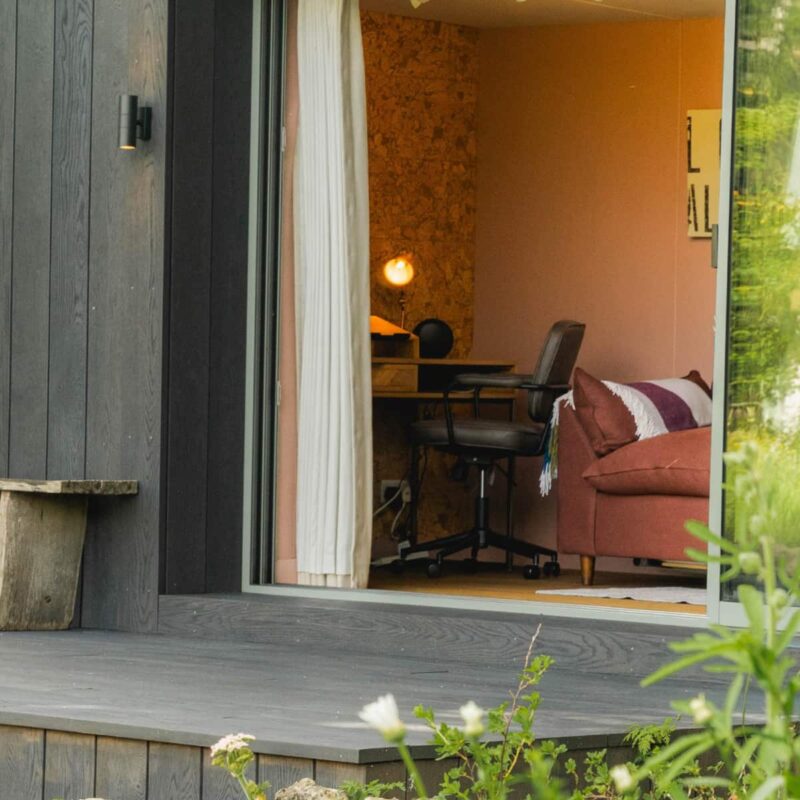
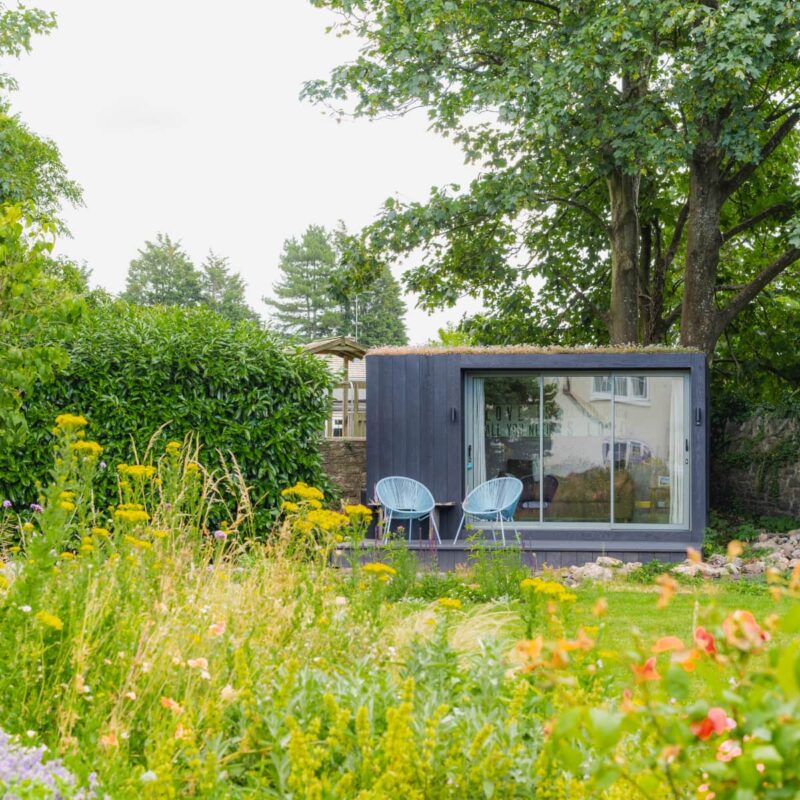
A purpose-built garden room gives you a dedicated place to work without taking over your home. When it is well insulated and carefully designed, it can stay comfortable throughout the year while helping reduce unnecessary energy use.
It also supports a better working routine. You can create a calm, practical space around the way you work, then close the door at the end of the day and step back into home life.
For many homeowners, a garden room can also add value to the property. As remote and hybrid working become part of everyday life, a dedicated workspace is becoming more than a nice extra. It is a feature people actively look for.
At Little Green Rooms, we build handmade garden rooms using high-quality, sustainable materials. They are designed to be practical, comfortable and built to last, giving you a better way to work from home with a lighter impact on the planet.